
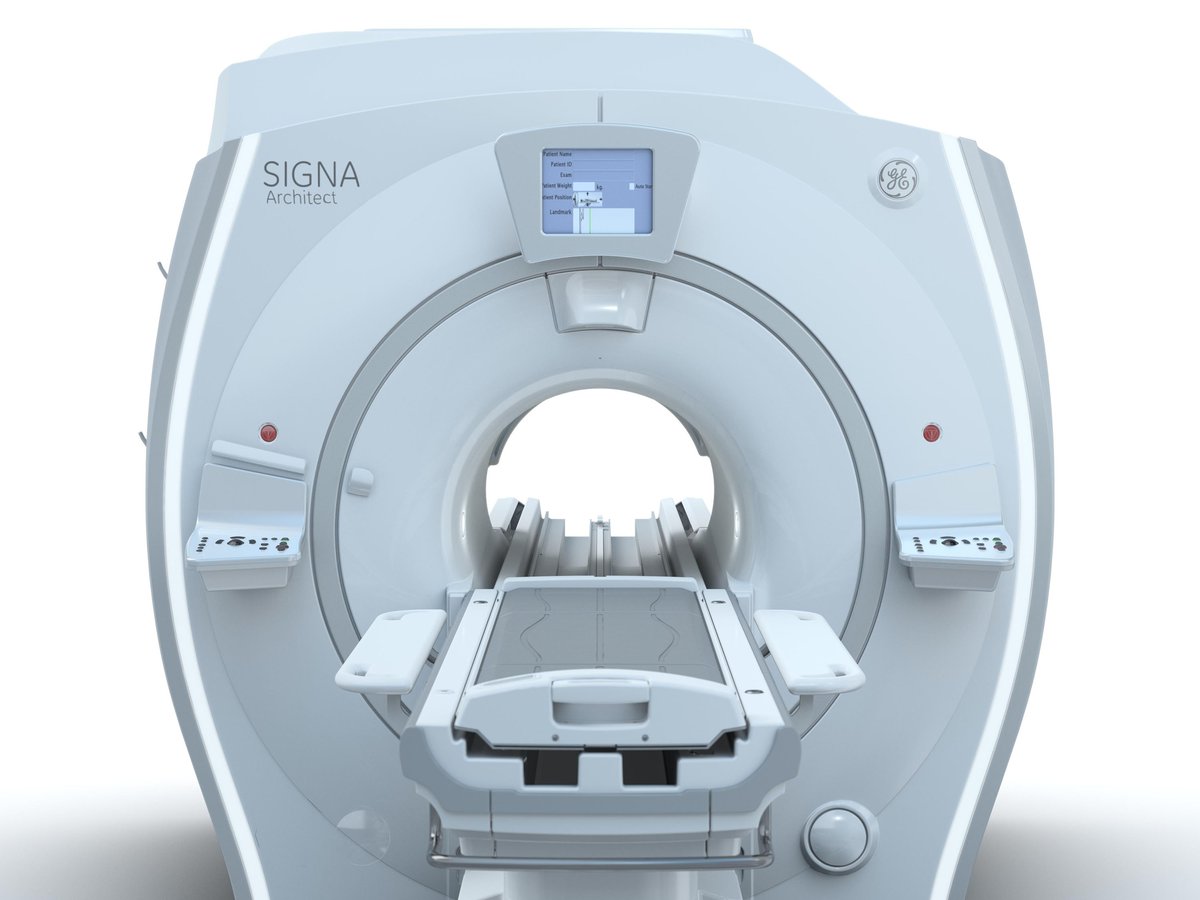
GE Signa Architect 3.0T | Best quality
$825,000.00
The GE Signa Architect 3.0T MRI scanner is a system designed to deliver unparalleled diagnostic capabilities with an emphasis on speed, accuracy, and patient comfort. This state-of-the-art machine combines advanced technology and innovative design to provide superior image quality and streamlined workflow for a wide range of clinical applications. Powered by the SIGNA™Works productivity platform, the Signa Architect is engineered to redefine the possibilities of MRI, offering clinicians a versatile and powerful tool to enhance patient care.
Description
Overview of GE Signa Architect 3.0T
The GE Signa Architect 3.0T is a state-of-the-art magnetic resonance imaging (MRI) system that represents a significant advancement in diagnostic imaging technology. Designed with a focus on enhancing imaging quality, patient comfort, and operational efficiency, this system integrates cutting-edge features such as artificial intelligence and advanced imaging capabilities.
As healthcare providers increasingly seek to improve patient outcomes and streamline workflows, the Signa Architect 3.0T stands out as a versatile tool for a variety of clinical applications, from neurology to oncology. This article explores the key features, performance, and future trends associated with the GE Signa Architect 3.0T, providing insights into its impact on modern medical imaging.
The GE Signa Architect 3.0T MRI system is the latest brainchild of GE Healthcare, engineered to deliver high-quality imaging while keeping up with the ever-evolving demands of modern medicine. This powerful magnet system not only enhances the clarity of images but also strives to make the experience smoother for both patients and practitioners alike. In a world where speed and accuracy are paramount, the Signa Architect is a shining example of innovation in the realm of magnetic resonance imaging.
Background and Development
The GE Signa Architect 3.0T was developed as part of GE’s ongoing commitment to advancing medical imaging. It represents a culmination of years of research and user feedback aimed at addressing specific challenges faced in diagnostic imaging. By integrating cutting-edge technology with a deep understanding of clinical needs, GE has crafted an MRI system that’s not only powerful but user-friendly—because who said saving lives couldn’t be a little less stressful?
Specifications and Technical Details
Equipped with a 3.0T superconducting magnet, the Signa Architect boasts high-resolution imaging capabilities and an impressive signal-to-noise ratio. With advanced gradient systems and a powerful RF technology, the device provides fast imaging sequences that enhance diagnostic accuracy. The system supports a wide range of applications, thanks to its comprehensive coil portfolio. In short, it’s like the Swiss Army knife of MRI machines, but a bit less likely to get lost in your junk drawer.
Key Features and Innovations
The GE Signa Architect 3.0T is packed with features that make it stand out in the crowded MRI marketplace. From advanced imaging technology to thoughtful patient-centered designs, this system is all about pushing the boundaries of what’s possible in diagnostic imaging.
Advanced Imaging Technology
At the heart of the Signa Architect is its advanced imaging technology, which utilizes innovative sequences and techniques to deliver stunningly clear images. This MRI system is designed to capture details that previous generations could only dream of—think of it as the HD television of the medical imaging world. Whether it’s imaging the brain or the musculoskeletal system, the Signa Architect ensures that every pixel tells a story.
AI Integration and Automation
Artificial intelligence isn’t just a sci-fi plotline anymore; it’s here, and it’s making MRI scans smarter. The Signa Architect integrates AI to streamline workflows, optimize imaging protocols, and enhance overall efficiency. This means less time waiting around for results and more time for healthcare professionals to focus on what really matters—patient care (and maybe a well-deserved coffee break).
Enhanced Patient Comfort
Patients are already nervous about MRI scans, so the last thing they need is a machine that adds to their stress. The Signa Architect features a spacious, open design and noise reduction technologies to create a more comfortable environment. From soothing ambient lighting to sound systems that allow for music or podcasts, it’s all about making the MRI experience as pleasant as possible. Because, let’s face it, no one enjoys being crammed into a tube while being serenaded by the sounds of a jet engine.
Imaging Performance and Quality
When it comes to imaging performance, the Signa Architect doesn’t just meet the bar—it sets it. With a focus on resolution, speed, and versatility, this machine is equipped to tackle a variety of clinical challenges with finesse.
Resolution and Clarity
One of the standout features of the GE Signa Architect 3.0T is its unparalleled resolution and clarity. The imaging is so crisp that even the tiniest details inside the body become visible, allowing radiologists to make accurate diagnoses. It’s like having a superhero’s x-ray vision, minus the spandex.
Speed and Efficiency
In the fast-paced world of healthcare, time is often of the essence. The Signa Architect boasts rapid imaging sequences that significantly reduce scan times without compromising quality. This means quicker patient turnover and reduced wait times—because nobody wants to sit in a waiting room longer than necessary, especially when there’s Netflix to be binged.
Comparison of Imaging Modalities
Compared to its predecessors and other MRI systems, the Signa Architect offers superior imaging capabilities. When compared to CT scans and traditional X-rays, the MRI excels in soft tissue imaging, making it the go-to choice for neurologists and orthopedic specialists. It’s the imaging modality that knows it’s the best—and it’s not afraid to flaunt it.
Applications in Clinical Settings
The versatility of the GE Signa Architect 3.0T makes it a valuable asset across various clinical settings. Its advanced imaging capabilities open doors to a wide range of applications, from neurology to oncology.
Neurology and Brain Imaging
In the realm of neurology, the Signa Architect is a game-changer. It allows for detailed brain imaging that aids in diagnosing conditions like tumors, strokes, and neurodegenerative diseases. With its stunning clarity, it helps neurologists see the unseen and make informed decisions, which is a pretty big deal when it comes to brain health.
Musculoskeletal Imaging
Musculoskeletal imaging is another forte of the Signa Architect. Whether it’s detecting tears, fractures, or other injuries, this MRI system provides high-resolution images that help clinicians pinpoint issues accurately. Think of it as a detective for bones and ligaments, only instead of a trench coat, it’s surrounded by an array of advanced technology.
Oncology Applications
The oncology applications of the Signa Architect are vast. It plays a crucial role in detecting, staging, and monitoring tumors across different organ systems. The ability to visualize even small lesions can significantly impact treatment planning and patient outcomes. In the fight against cancer, every detail counts, and this MRI is equipped to help in that battle—one pixel at a time.
User Experience and Interface
Operator Workflow and Efficiency
The GE Signa Architect 3.0T is designed with the user in mind, turning operators into efficiency ninjas. Its streamlined workflow minimizes the time spent navigating through menus and settings, allowing technicians to focus on what really matters—getting high-quality images and saving the day. The intuitive interface is like a GPS for MRI operators, guiding them smoothly through each scan without requiring a treasure map.
Training and Learning Curve
New operators might initially feel like they’re trying to learn quantum physics at a coffee shop, but fear not! The training provided by GE is comprehensive and practical, helping users to climb that learning curve in no time. By the end of the training, most operators find themselves confidently riding the learning curve rather than just hanging on for dear life.
Patient Interaction and Safety Features
For patients, the GE Signa Architect 3.0T whispers sweet nothings of comfort and safety. With features like a larger bore size and quieter operation, it’s designed to ease the nerves of the anxious patient. Safety features are also a priority; the system includes automated monitoring and various alerts to ensure a safe scanning experience. It’s like having a caring nurse right inside the machine, minus the scrubs.
Maintenance and Support
Routine Maintenance Requirements
Routine maintenance of the GE Signa Architect 3.0T is as easy as pie—if you can bake a pie in your sleep! Regular checks on coils, cleaning of the magnet’s surface, and software updates help keep the machine humming along. Following the recommended schedule will ensure it stays in tip-top shape for years, leaving you free to focus on more important tasks—like contemplating the mysteries of life.
Technical Support and Resources
When it comes to technical support, GE pulls out all the stops. Their support team is ready to swoop in like a superhero at a moment’s notice. With resources like online tutorials, extensive manuals, and a dedicated hotline, you won’t feel like you’re trying to solve a Rubik’s Cube blindfolded. Help is just a call (or click) away!
Upgrades and Software Updates
Staying updated is crucial, and the GE Signa Architect 3.0T makes this process painless. Software updates can be done seamlessly, allowing operators to access new features and improvements without needing a degree in computer science. Think of it as a regular spa day for your MRI system—it keeps everything running smoothly and looking fresh.
Comparison with Competing MRI Systems
Market Position and Competitors
In the bustling MRI market, the GE Signa Architect 3.0T holds its own against heavy hitters like Siemens and Philips. With its advanced imaging capabilities and user-friendly interface, it’s often considered the go-to choice for facilities looking to boost efficiency without sacrificing quality. Think of it as the friendly neighborhood superhero of MRI machines—always there to save the day!
Advantages and Disadvantages
Like any tech, the GE Signa Architect 3.0T comes with its perks and quirks. Advantages include its high-resolution imaging and robust software, making it a favorite among radiologists. However, some users may find the initial investment a tad hefty—like buying a top-shelf espresso machine. Ultimately, it’s about weighing the pros against the cons and deciding whether the return on investment is worth it.
User Feedback and Testimonials
User feedback has been largely positive, describing the Signa Architect 3.0T as reliable and efficient. Operators rave about the ease of use and patient-friendly features, while radiologists appreciate the clarity of the imaging. However, there are occasional grumbles about the initial learning curve, especially for those who prefer a more hands-on approach to technology. Overall, it seems to be more “happy thumbs up” than “thumbs down.”
Future Trends and Developments in MRI Technology
Emerging Technologies and Innovations
The future looks bright for MRI technology, with innovations like artificial intelligence and advanced imaging techniques paving the way for even better diagnostics. Imagine an MRI system that learns and adapts to individual patient needs—sci-fi, right? Well, it’s closer than you think, and the GE Signa Architect 3.0T is already stepping into this brave new world.
Predictions for Future MRI Systems
Looking ahead, we can anticipate MRI systems becoming more compact, cost-effective, and user-friendly. Imagine being able to perform high-quality scans in even smaller spaces—perfect for those crowded hospitals! Enhanced connectivity with telemedicine is also on the horizon, allowing for collaborative diagnosis without the need for a time machine.
Impact of Regulatory Changes
As regulations continue to evolve, the MRI landscape will undoubtedly shift along with them. Compliance will keep manufacturers on their toes, driving innovations in safety and efficacy. Outdated systems might find themselves on the chopping block, while forward-thinking designs like the GE Signa Architect 3.0T could set new standards in the industry, riding the wave of regulatory changes rather than getting swept under. In conclusion, the GE Signa Architect 3.0T is a transformative MRI system that enhances diagnostic capabilities while prioritizing patient comfort and operational efficiency.
Its advanced features and innovative technology position it as a leader in the field of medical imaging. As the healthcare landscape continues to evolve, the Signa Architect 3.0T is poised to play a crucial role in improving clinical outcomes and driving advancements in MRI technology. By understanding its capabilities and applications, healthcare providers can make informed decisions that ultimately benefit their patients and practices.
Frequently Asked Questions (FAQ)
What are the key advantages of the GE Signa Architect 3.0T compared to other MRI systems?
The GE Signa Architect 3.0T offers advanced imaging quality, faster scan times, and enhanced patient comfort through its innovative design and AI integration, making it a competitive choice in the MRI market.
How does the AI technology in the GE Signa Architect 3.0T improve imaging results?
The AI technology in the GE Signa Architect 3.0T helps automate processes, optimize imaging parameters, and enhance image clarity, leading to more accurate diagnoses and improved workflow efficiency.
What types of clinical applications are best suited for the GE Signa Architect 3.0T?
The GE Signa Architect 3.0T is versatile and suitable for various clinical applications, including neurology, musculoskeletal imaging, and oncology, providing high-quality images for a range of medical conditions.
What support options are available for users of the GE Signa Architect 3.0T?
Users of the GE Signa Architect 3.0T have access to comprehensive maintenance and technical support, including routine service, software updates, and training resources to ensure optimal system performance.


Reviews
There are no reviews yet.