
Philips MR 5300 | Best quality
$510,000.00
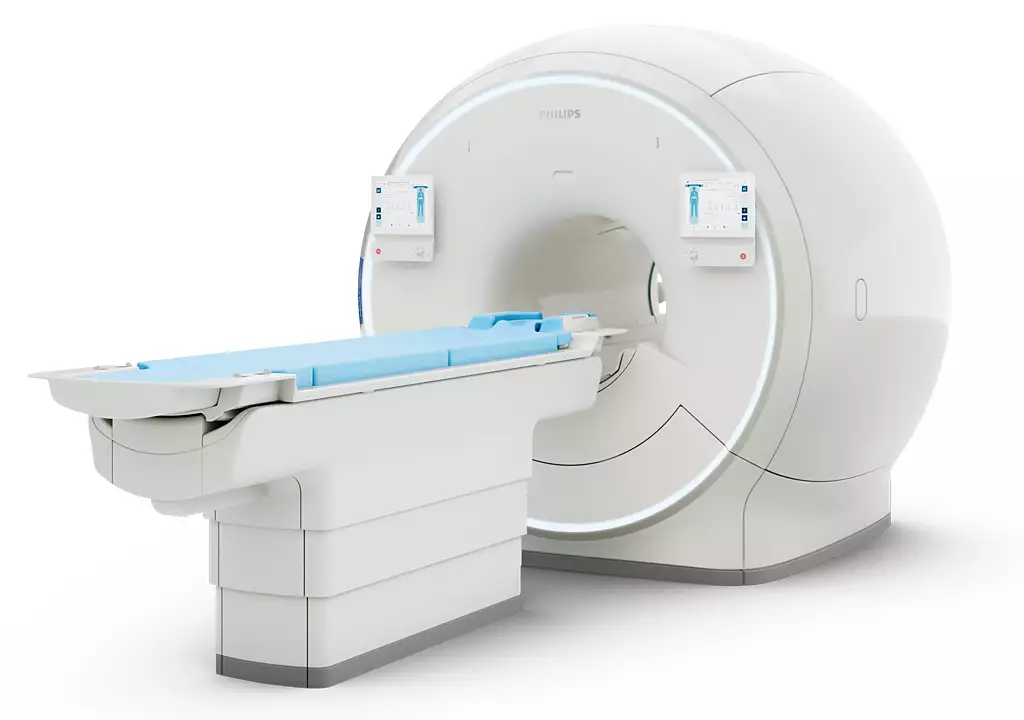
The Philips MR 5300 is a 1.5T MRI system featuring BlueSeal magnet technology for helium-free, low-maintenance operations. It increases productivity using AI-driven workflows and lightweight Breeze coils, enabling faster patient setup, 30% quicker changeovers, and 5-minute routine exams while delivering high-quality images.
Description
Philips MR 5300
The Philips MR 5300 is a state-of-the-art magnetic resonance imaging (MRI) system designed to enhance diagnostic capabilities and improve patient care within clinical settings. With its advanced imaging technology, user-friendly features, and robust performance, the MR 5300 stands out in the competitive landscape of MRI systems. This article delves into the key specifications, clinical applications, and user experiences associated with the Philips MR 5300, while also comparing it to other MRI solutions on the market. By exploring its advantages and support services, we aim to provide a comprehensive overview for healthcare professionals considering this innovative imaging technology.
Overview of Philips MR 5300
History and Development
The Philips MR 5300 is part of a legacy of innovation in magnetic resonance imaging that dates back to the 1980s. Over the years, Philips has continuously improved its MRI technology to enhance image quality and patient experience. The MR 5300, introduced as a mid-tier system, combines advanced imaging capabilities with user-friendly features, making it accessible for a wide range of healthcare facilities. It’s essentially the “Goldilocks” of MRI machines—not too advanced, not too basic, but just right for many practices.
Market Position
In the competitive world of medical imaging, the Philips MR 5300 has carved out a respectable niche. Positioned as an affordable yet high-quality option, it targets hospitals and clinics that prioritize both performance and cost efficiency. With its robust feature set, the MR 5300 stands tall against other mid-range systems, appealing to practitioners who want reliable imaging without breaking the bank—because let’s face it, MRI machines don’t come cheap!
Key Features and Specifications
Imaging Technology
The Philips MR 5300 boasts cutting-edge imaging technology, utilizing advanced pulse sequences and 3D imaging capabilities. This means it can capture detailed images that help radiologists diagnose conditions with precision. Add in options for functional MRI (fMRI) and diffusion-weighted imaging, and you’ve got a machine that excels in drawing out those elusive details—turning your average morning into a detective story of anatomical exploration.
Magnet Strength
Featuring a 1.5 Tesla magnet, the MR 5300 strikes a balance between image clarity and scan time. While some systems may boast higher Tesla ratings, 1.5T is generally considered the gold standard for many routine diagnostic applications. This strength allows for high-quality imaging while ensuring that patients don’t feel like they’re being launched into space during their scans.
Software and Applications
Philips has programmed the MR 5300 with a user-friendly interface and advanced software solutions that allow radiologists to work more efficiently. The system supports a variety of applications, from musculoskeletal imaging to neuroimaging. With its suite of automated tools, it helps users enhance workflow and reduce human error—making it feel like your MRI system is not only smart but also a bit of a sidekick!
Clinical Applications and Benefits
Diagnostic Use Cases
The MR 5300 shines in several clinical scenarios: from detecting tumors to assessing brain injuries, this machine is versatile enough to handle an array of diagnostic challenges. Its ability to produce high-resolution images assists in diagnosing conditions ranging from orthopedic issues to neurological disorders. It’s a trusty workhorse that adds value in various specialties without requiring a PhD in MRI engineering to operate.
Patient Safety and Comfort
Philips understands that scans can be a daunting experience for many patients. The MR 5300 comes equipped with features aimed at enhancing patient comfort, including a wide bore design that reduces the feeling of claustrophobia and advanced noise reduction technology. Plus, with faster imaging protocols, patients spend less time in the scanner and more time enjoying the delightful wait for their results—preferably with some snacks!
Comparison with Other MRI Systems
Philips MR 5300 vs. Competitors
When stacked against competitors like Siemens and GE, the MR 5300 holds its own remarkably well. While Siemens may offer some bells and whistles, and GE has its own suite of advanced features, the MR 5300 focuses on providing reliable performance and excellent value. It’s like comparing apples to oranges—different flavors, but the MR 5300 is still a top-tier fruit in the MRI orchard.
Cost-Benefit Analysis
Investing in an MRI system can feel like buying a yacht—expensive, intimidating, and filled with maintenance costs! The Philips MR 5300, however, offers a sweet spot in terms of affordability and performance. With lower acquisition costs than high-end models and reduced operational costs due to its efficiency, it’s appealing to facilities looking to balance their budget while still providing top-notch imaging. Think of it as getting an MVP performance for a benchwarmer price!
User Experience and Feedback
User Testimonials
Users of the Philips MR 5300 have been singing its praises—like those people at karaoke who really think they’re hitting the high notes. One radiologist remarked, “The image quality is stunning; it feels like we’re using a different dimension!” Meanwhile, a technician shared, “It’s user-friendly and has cut down our scan times significantly. Even on my Monday morning caffeine crash, I can operate it with ease!” Overall, the positive feedback shows that the MR 5300 has become a beloved member of many medical teams.
Efficiency and Workflow Integration
The MR 5300 seamlessly integrates into existing workflows, reducing bottlenecks faster than you can say “MRI.” With its advanced automation features, it’s like having a virtual assistant on speed dial. Scans can be scheduled with a few clicks, and the system’s intelligent algorithms optimize protocols based on patient needs. As a result, facilities report not just improved efficiency but also enhanced patient satisfaction—because who doesn’t want a quick and comfortable MRI experience?
Maintenance and Support Services
Service Plans and Options
Philips offers a variety of service plans that are as customizable as your coffee order. Whether you opt for basic maintenance or a comprehensive coverage plan that includes upgrades, training, and 24/7 support, there’s something for everyone. Customers have noted that having a flexible plan means fewer surprise repair costs and more peace of mind—like knowing the pizza will arrive just in time for movie night.
Common Maintenance Practices
Maintaining the MR 5300 doesn’t require a magic wand, but a few preventive practices go a long way. Regular software updates are crucial, while keeping the machine clean and ensuring proper cooling can help avoid any overheating drama. Philips recommends scheduled checks every few months, which include inspecting coils and calibrating settings. Think of it as a regular spa day for your MRI—because even machines need to pamper themselves sometimes.
Future Innovations in MRI Technology
Emerging Trends and Research
The world of MRI technology is evolving faster than a cat meme goes viral. Emerging trends include artificial intelligence in image processing, which promises to enhance diagnostic accuracy and reduce interpretation times. There’s also a burgeoning interest in portable MRI machines, allowing healthcare providers to bring imaging to patients rather than the other way around. Research is pointing toward new sequences that reduce scan times without compromising quality—because who has the time to wait around these days?
Potential Upgrades for Philips MR 5300
Philips is constantly tinkering under the hood of the MR 5300, and potential upgrades could include even more advanced imaging algorithms and enhanced AI capabilities for predictive analytics. There’s chatter about introducing 7T imaging options, pushing the boundaries of resolution and detail. So, if you thought the current capabilities were impressive, hold onto your lab coats—future iterations could make the MR 5300 the ultimate imaging sidekick.
Conclusion and Recommendations
Summary of Key Points
The Philips MR 5300 has made quite the impression with its top-notch image quality, user-friendly interface, and ability to integrate effortlessly into workflows. Users sing its praises while enjoying the benefits of efficient service plans and solid maintenance practices. As MRI technology continues to evolve, the MR 5300 stands poised for future upgrades that could push its performance even further.
Final Thoughts on the Philips MR 5300
In a world where healthcare demands efficiency without sacrificing quality, the Philips MR 5300 shines brightly. Its balance of advanced features and user-friendly design makes it a reliable choice for medical facilities. So, if you’re in the market for an MRI machine that doesn’t just meet expectations but exceeds them, it’s time to take a closer look at the MR 5300. After all, your imaging needs deserve a superstar!In conclusion, the Philips MR 5300 presents a compelling option for healthcare facilities looking to enhance their imaging capabilities. With its advanced features, patient-friendly design, and strong support services, it offers significant clinical advantages. As the field of MRI technology continues to evolve, the MR 5300 stands poised to meet the challenges of modern diagnostics, making it a valuable addition to any medical imaging department.
Frequently Asked Questions
What is the magnetic strength of the Philips MR 5300?
The Philips MR 5300 features a high magnetic field strength, typically around 1.5 Tesla, which enhances image quality and diagnostic capabilities.
What are the primary clinical applications for the Philips MR 5300?
The Philips MR 5300 is suitable for a wide range of clinical applications, including neuroimaging, musculoskeletal assessments, cardiovascular studies, and oncological evaluations.
How does the Philips MR 5300 compare to other MRI systems in terms of patient comfort?
The Philips MR 5300 is designed with patient comfort in mind, featuring a spacious bore and advanced noise-reduction technologies to minimize discomfort during scans.
What kind of maintenance is required for the Philips MR 5300?
Regular maintenance for the Philips MR 5300 includes routine quality assurance checks, software updates, and periodic servicing by qualified technicians to ensure optimal performance.



Reviews
There are no reviews yet.